Buyers usually want to know which files can be shared and how those files connect to the next qualification step.
Resources
Buyer Guides, Documentation Notes, and Sourcing FAQ
This page is built for the review work that happens before a team sends an RFQ: supplier screening, document expectations, application-fit questions, and commercial alignment between sourcing, QA, and product teams.

Better sample requests happen when application, specification, and target review criteria are already defined.
U.S. warehouse availability, replenishment logic, and lead time assumptions all shape the first RFQ conversation.
This hub is designed to shorten the back-and-forth between procurement, QA, and commercialization teams.
Buyer guides
Use these pages to narrow the first conversation
These guides are written to help U.S. ingredient buyers ask sharper questions earlier. They are not blog filler. They are meant to reduce confusion around documents, stock language, and sample planning before internal review starts.
Guide 01
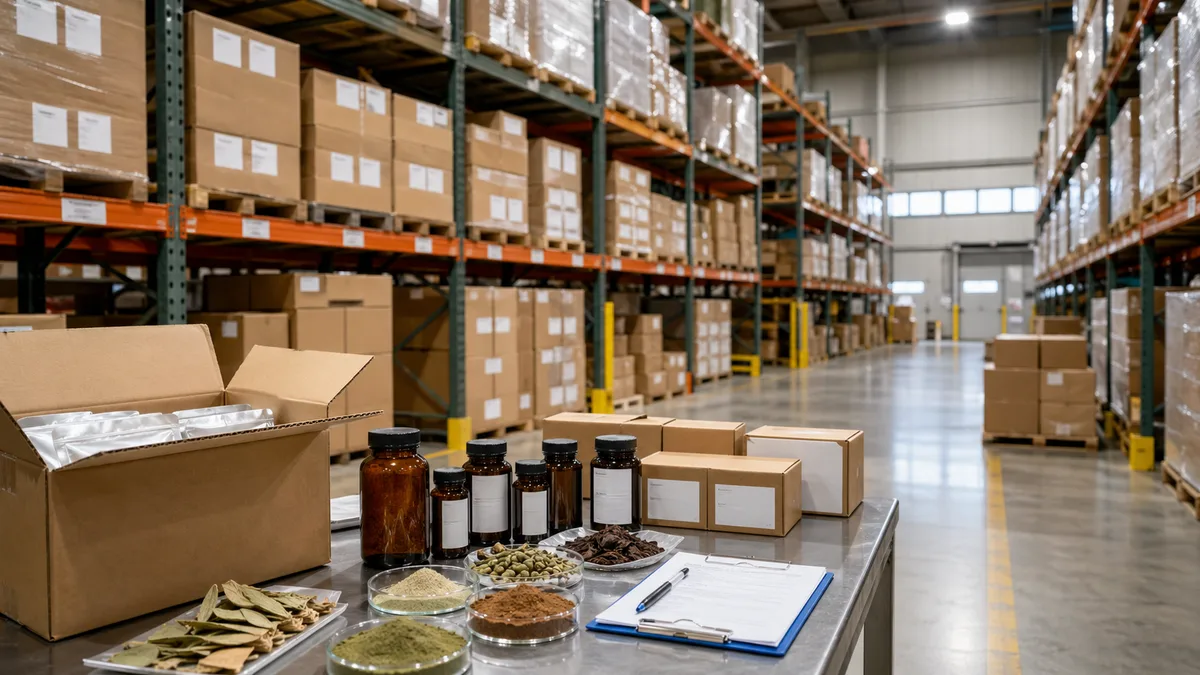
Bulk botanical extract RFQ checklist
A practical commercial checklist covering specification, order size, document needs, sample timing, packing, and stock-route assumptions before quote review.
- Specification and marker review
- MOQ, lead time, and packing context
- Sample and COA/TDS alignment
Guide 02
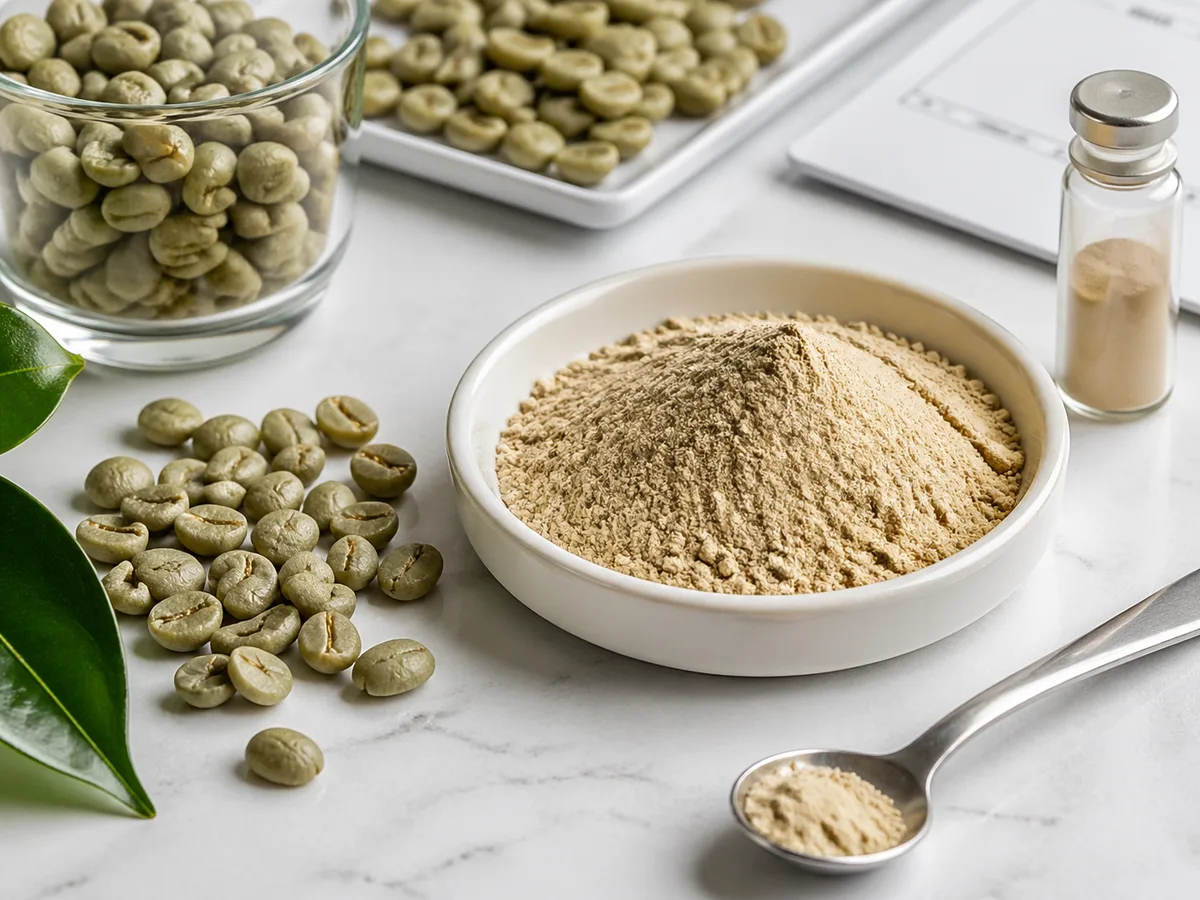
How to choose a green coffee bean extract supplier
A focused ingredient guide covering chlorogenic acid specification, HPLC method language, samples, RFQ questions, and document expectations.
- Chlorogenic acid specification
- HPLC and document review
- Supplier response quality
Guide 03
COA and TDS request checklist
A QA-friendly guide to help buyers ask for the right product-level and lot-level files before sample or RFQ review.
- COA and TDS roles
- Screening vs sample-review files
- What to send in the first request
Ingredient guides
Ingredient-specific supplier selection guides
These guides help buyers compare supplier responses for high-interest ingredients where specification language, sample review, and COA/TDS routing can change the sourcing decision.
Ashwagandha Extract Supplier GuideWithanolide specs, plant-part language, samples, and RFQ questions
Black Ginger Extract Supplier GuidePolymethoxyflavone specs, premium positioning, and document review
Reishi Mushroom Extract Supplier GuideMushroom identity, extract ratio, beta-glucan or polysaccharide review
Elderberry Extract Supplier GuideSambucus nigra identity, berry specification, samples, and COA/TDS path
Lion's Mane Extract Supplier GuideFruiting body language, mushroom specifications, and document review
Turkey Tail Mushroom Extract Supplier GuideMushroom identity, polysaccharide specs, and RFQ comparison questions
Saw Palmetto Extract Supplier GuideFatty acid vs ratio extract language, samples, and quote review
Grape Seed Extract Supplier GuideProanthocyanidin specs, method language, and COA/TDS review
Fisetin Extract Supplier GuideFisetin assay levels, method language, samples, and RFQ comparison
Maca Extract Supplier GuideLepidium meyenii identity, 4:1 ratio language, samples, and COA/TDS path
Sourcing pages
High-intent supplier pages for organic search
These pages are built for buyers who are searching by supplier type before they know which exact ingredient page to open.
Botanical Extract Supplier USAStandardized extract sourcing, documentation, and RFQ path
Botanical Ingredient SupplierCategory-level path for extracts, powders, and mushroom ingredients
Nutraceutical Ingredient SupplierSupplement and wellness ingredient sourcing page
Bulk Botanical ExtractsBulk quote, MOQ, sample, and warehouse review path
Custom Botanical Extract ManufacturingCustom marker, ratio, solubility, and made-to-order sourcing
Application pages
Application-specific sourcing paths
These pages help buyers frame sourcing questions by target format, document needs, sample review, and RFQ stage.
How U.S. B2B buyers evaluate a botanical ingredient supplier
Most teams do not start with branding. They start with product identity, specification confidence, document readiness, and whether the supplier can explain the most likely commercial path without creating extra loops.
- Can we understand the product identity quickly?
- Are the key document types clearly signaled?
- Is there a realistic U.S. stock or replenishment path?
- Can QA questions be handled without guesswork?
- Does the supplier communicate next steps clearly?
What to prepare before requesting a sample
A sample request is more productive when the buyer already knows the intended use, the document path they need, and what they want the first review to confirm. That reduces back-and-forth and helps match the request to the right product path.
- Target specification or marker expectation
- Application, dosage form, or formulation context
- COA, TDS, or declaration needs
- Sample quantity and review timeline
- Whether the request is exploratory or launch-driven
Documentation notes
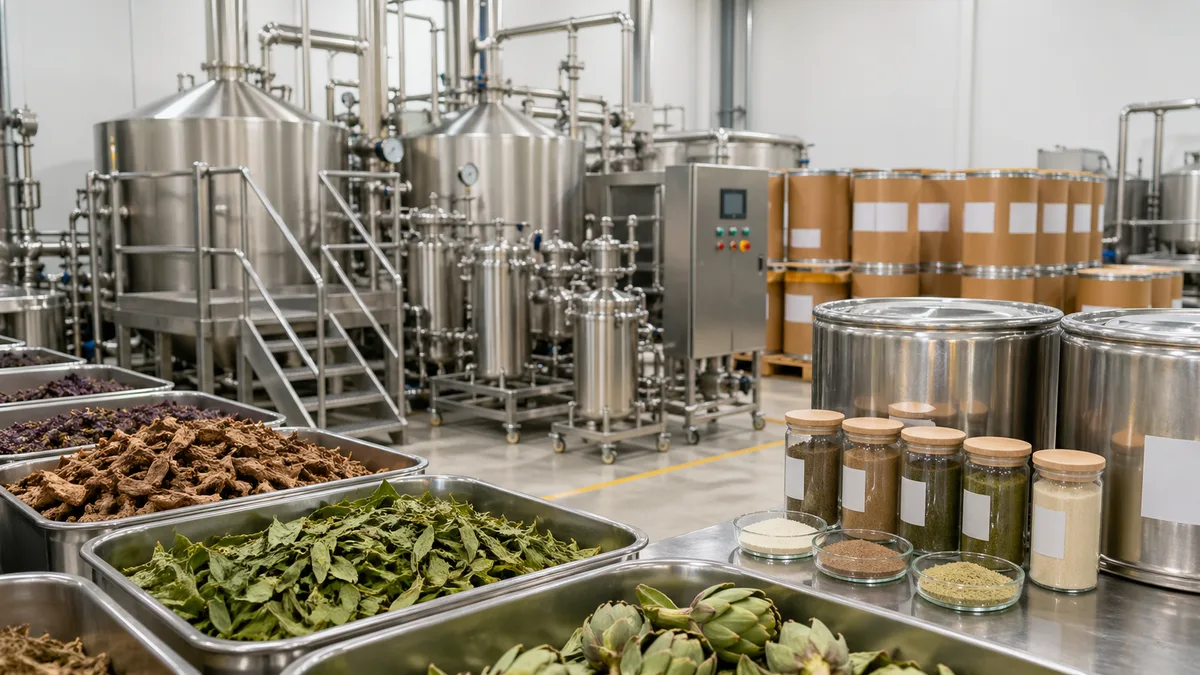
Documentation only helps when it is tied to the buying path
Buyers are usually not asking for files in the abstract. They are trying to decide whether a product is worth screening, how fast internal review can move, and whether a sample or quote request makes sense next.
COA
Used to understand batch-level analytical results when a buyer is already narrowing the product and wants more review confidence.
TDS
Often the fastest first document for product identity, specification format, and commercial comparison across multiple options.
Testing Files
Useful when QA needs marker, identity, microbiology, heavy metal, or other product-specific review support before a buying decision.
Application notes
Different teams ask different questions first
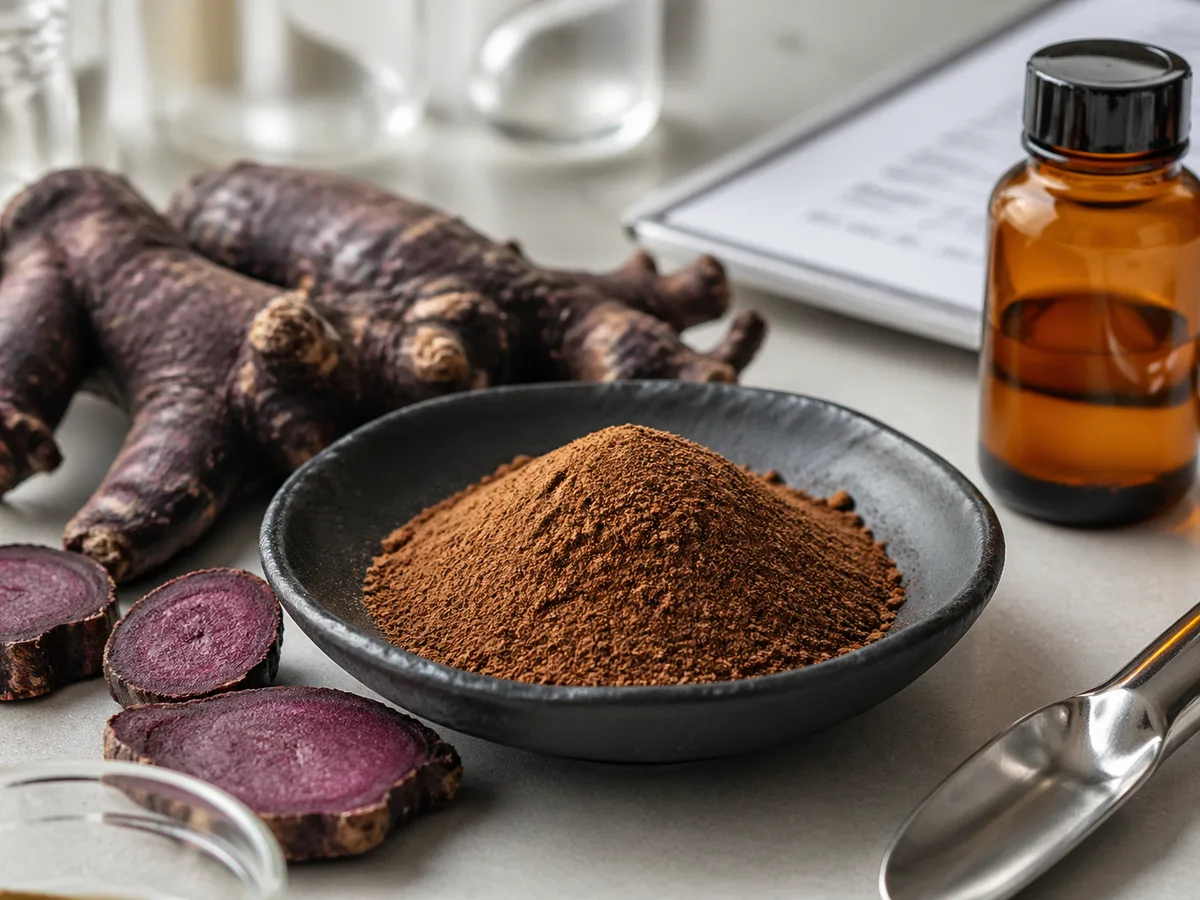
Application context changes the first screening logic. The same ingredient may be reviewed very differently by a supplement, beverage, food, or personal-care team.
Supplements
Marker language, document path, format options, and a clear sample workflow usually matter first.
Functional beverages
Solubility, appearance, origin story, and how quickly a supplier can respond become central very early.
Food formulations
Teams often screen for practical sourcing continuity, handling fit, and whether the RFQ path is realistic for the intended system.

Personal care
Even outside supplements, disciplined document handling and precise supplier communication still shape the review path.
Buyer templates
What to include when you contact a sourcing desk
These short templates help procurement, formulation, and QA teams send a clearer request the first time, which usually reduces follow-up loops and speeds up qualification.
RFQ request
- Product name and target specification
- Estimated order quantity and packing preference
- Destination country or U.S. delivery region
- Requested quote timing and first-order timeline
Sample request
- Intended application and dosage format
- Sample quantity needed for internal review
- Target grade, marker, ratio, or solubility need
- Whether a U.S.-side sample path is important
Document request
- COA or TDS need and product under review
- Any required marker, identity, or contaminant focus
- Internal review stage: screening, QA, or supplier onboarding
- Whether third-party testing files are required
Commercial workflow
Keep the review path connected from shortlist to first PO
Better sourcing conversations happen when product screening, document review, and stock-path confirmation are kept in one decision chain instead of being handled as disconnected tasks.
Shortlist the product
Start with identity, specification, and application fit before asking for batch-level depth.
Define the sample need
Clarify format, quantity, intended use, and which review question the sample needs to answer.
Align documents and timing
Keep COA, TDS, declarations, and stock confirmation tied to the same qualification path.
Move to RFQ with context
A quote request is more useful when the technical and commercial unknowns have already been narrowed.
FAQ
Short answers to recurring sourcing questions
These are written to reduce confusion before a buyer reaches out, especially around pricing visibility, document access, and stock terminology.
No. Essence Source is positioned as a B2B ingredient sourcing and inquiry website for U.S.-market buyers, not a retail storefront.
No. Pricing depends on specification, order volume, stock position, packaging, and document requirements, so the website focuses on RFQ and sample workflows instead.
Typical document paths include COA and TDS. Product pages show document availability, and additional files can be requested during the inquiry process.
U.S. Warehouse Available means there is a U.S.-side fulfillment path. Available by Inquiry means stock and lead time details need confirmation. Made to Order means the lot path is specification-dependent.
Yes, within the limits of each ingredient and the intended use. The website avoids market claims and instead focuses on application fit, documentation, and supplier communication.
Resource hub pathways
Use templates together with product and insight pages
RFQ, sample, and COA/TDS templates work best when buyers have already reviewed the ingredient page, supplier path, and any relevant technical note. These links keep the resource hub connected to the rest of the buyer journey.