Ingredient guide

How to Choose an Ashwagandha Extract Supplier

Ashwagandha sourcing should start with botanical identity, root or root-and-leaf language, withanolide specification, testing method, document path, and sample review expectations.

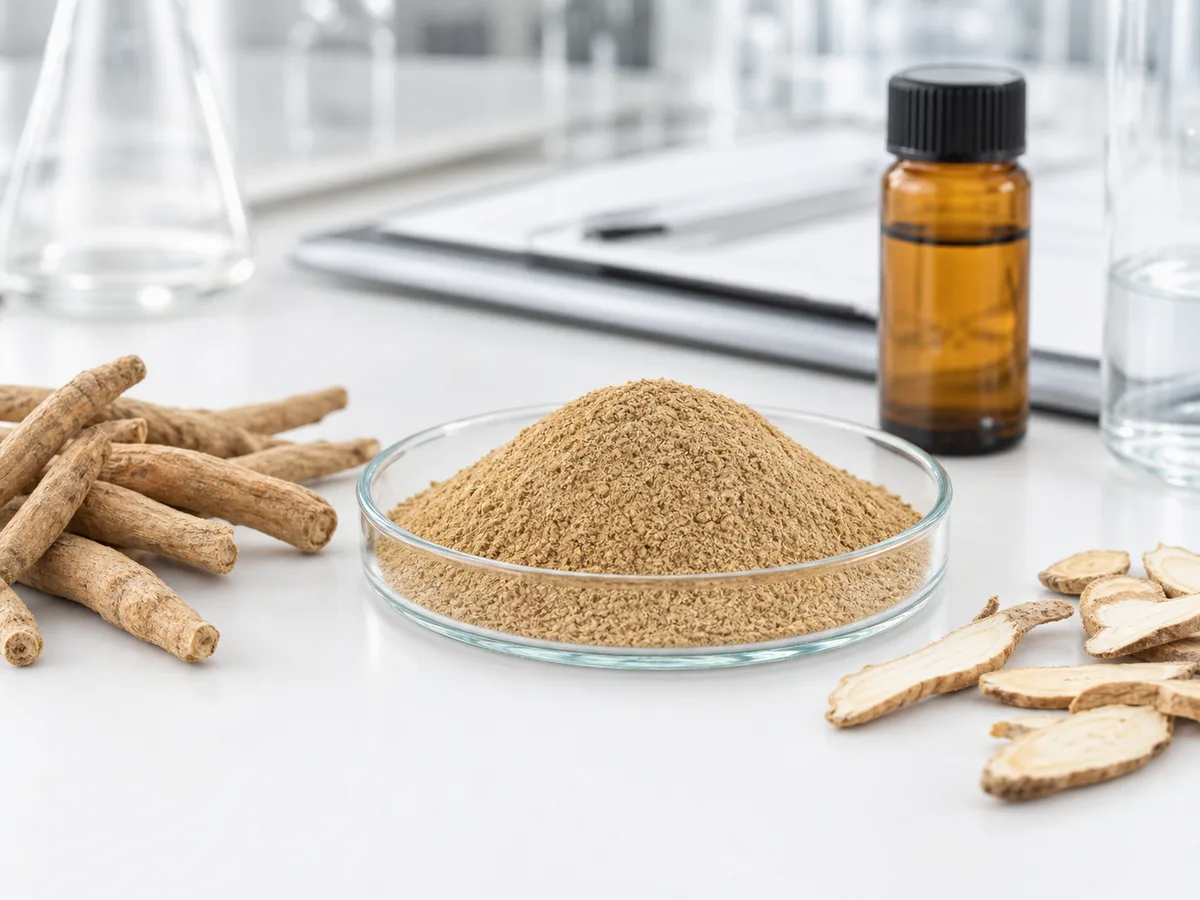
Ashwagandha extract powder and root material for supplier review

Supplier questions buyers should ask first

Buyers should confirm the plant identity, part used, active marker, and document path before comparing price. A quote for ashwagandha is difficult to evaluate if the withanolide level, test method, sample route, and application context are unclear.

  • Is the material root extract or another plant-part profile?
  • What withanolide level and method are tied to the grade?
  • Can COA and TDS be routed for the exact review stage?
  • Is the inquiry for supplement, beverage, gummy, powder, or another use?

What to compare beyond unit price

A strong supplier response should connect the specification, sample, MOQ, lead time, and COA/TDS path. Buyers should avoid comparing quotes that do not describe the same grade or the same commercial route.

  • Specification and part-used clarity.
  • Sample quantity and intended application.
  • MOQ, packing, lead-time range, and stock-path signal.
  • Document availability tied to screening or sample review.
Buyer comparison snapshot

Compare ashwagandha offers by grade, not product name alone

Ashwagandha extract quotes can look similar in a spreadsheet while representing different raw material paths. Buyers should separate root-only language from root-and-leaf language, confirm the withanolide target and method, and ask whether the available COA/TDS is representative or tied to a specific lot. This is especially important for supplement brands that need a consistent label claim, capsule fill weight, sensory profile, and QA review trail.

Ashwagandha supplier comparison checklist
Identity Confirm Withania somnifera and the plant part used before comparing price.
Specification Ask for withanolide level, method language, carrier or excipient, and extract ratio if applicable.
RFQ context Send application, sample need, target volume, destination, and document timing in the first message.

A strong first RFQ should include the requested grade, intended supplement format, target order size, sample quantity, shipping destination, and whether the buyer needs representative documents or lot-specific files. That context helps the supplier answer with a realistic stock path, lead time, packing option, and document sequence instead of a generic catalog reply.