Ingredient guide

How to Choose a Green Coffee Bean Extract Supplier

Green coffee bean extract sourcing should start with identity, chlorogenic acid specification, HPLC method language, sample availability, and the COA/TDS path for the grade under review.

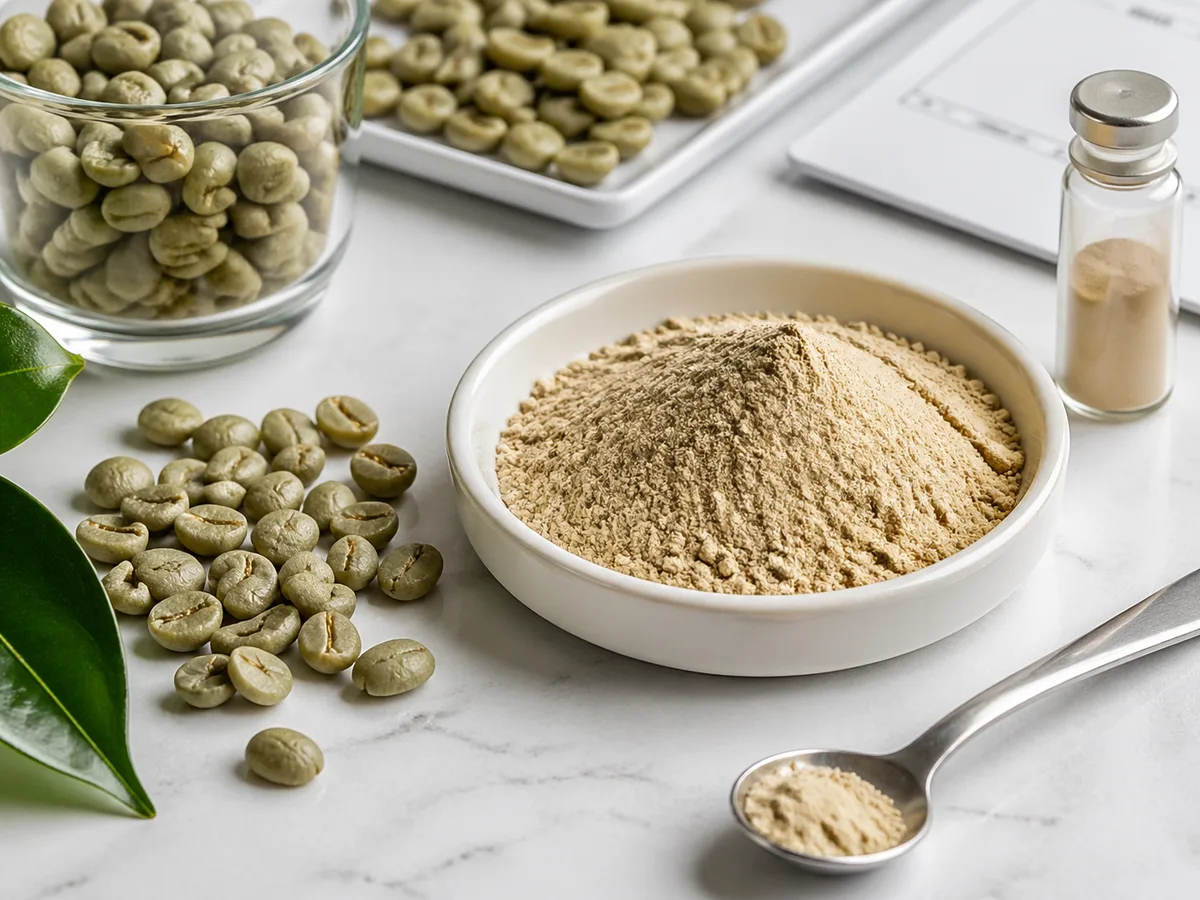
Green coffee bean extract powder and raw material for supplier evaluation

Supplier questions buyers should ask first

Green coffee bean extract is commonly reviewed by chlorogenic acid level, analytical method, botanical identity, and intended application. Before requesting price, buyers should confirm whether the supplier can discuss the exact grade, document path, sample quantity, MOQ, lead time, and stock or replenishment route.

  • What chlorogenic acid range is available for the grade?
  • Is the assay method stated as HPLC or another method?
  • Can COA and TDS be routed for the review stage?
  • Is the inquiry for supplement, beverage, food, or another use?

What to compare beyond price

A buyer comparing suppliers should look at specification clarity, response quality, sample support, documentation relevance, and whether commercial terms match the project timeline. The lowest quote may be less useful if the grade does not match the formulation target or if the COA/TDS path is unclear.

  • Specification fit before price comparison.
  • Representative sample path before full RFQ commitment.
  • Commercial lead time and MOQ by grade.
  • Clear distinction between stock route and made-to-order route.
Best next step

Send a specification-led inquiry

For a useful first response, send target chlorogenic acid level, desired sample quantity, annual or first-order volume, intended application, destination, and whether QA needs COA, TDS, or additional testing files. This gives the supplier enough context to respond as a B2B ingredient partner instead of treating the request as a generic price check.

Specification fit

Ask for the chlorogenic acid target, whether the grade is positioned by assay, extract ratio, or another specification format, and whether method language is available for the buyer's QA comparison.

Application fit

Tell the supplier whether the extract is being screened for a capsule, tablet, powder blend, stick pack, beverage concept, or other B2B product format. This helps prevent a generic quote from missing formulation constraints.

Commercial fit

Compare MOQ, sample timing, destination, packing, replenishment logic, and whether the supplier can keep COA/TDS discussion aligned with the material path under review.

Green coffee supplier inquiry template

Hello Essence Source team, we are reviewing green coffee bean extract for [application]. Our target is [chlorogenic acid level, method requirement, carrier preference, or grade language]. Please advise available grade options, sample path, MOQ, lead time, packing, and COA/TDS availability. Estimated first order is [quantity], annual volume is [quantity if known], and destination is [city, state/country]. Our QA team is comparing [assay, identity, method language, microbiology, heavy metals, solubility, or other internal limit].

Signals of a better supplier response

  • The response names the exact grade instead of only saying "green coffee extract."
  • Specification language is clear enough for QA and procurement to compare.
  • Sample, document, and quote paths are connected in one reply.
  • MOQ and lead time are framed by grade and destination rather than as generic numbers.
  • The supplier asks useful questions about application and review stage.
Related sourcing paths

Use product and RFQ pages together

The supplier guide is strongest when buyers pair it with the product detail page, bulk RFQ checklist, and documentation checklist before sending the first message.