Application fit
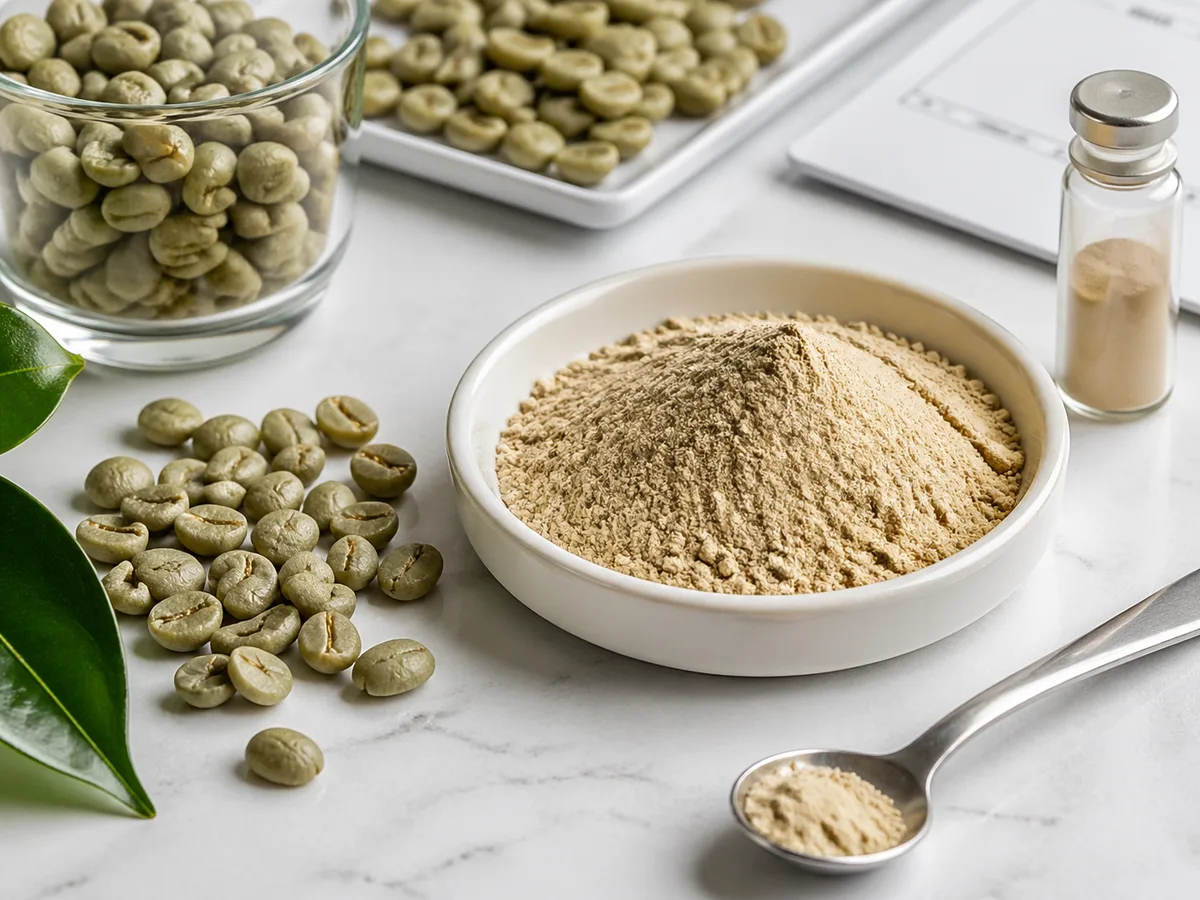
Capsules and tablets usually prioritize chlorogenic acid percentage, assay language, COA review, and dosage economics. Functional beverages, drink mixes, gummies, and powders need additional review around solubility, taste, color, carrier, and caffeine expectations. Personal-care or cosmetic applications may need a different technical conversation around appearance, compatibility, and claim language. The right green coffee bean extract grade is the one that fits the finished product format, not only the one with the highest marker percentage.
A supplier can give a better recommendation when the buyer names the dosage form or finished product format. Capsules, tablets, gummies, stick packs, beverages, powders, foods, and personal-care applications can put different pressure on solubility, color, taste, carrier, microbiology, and document review.
When the application is still uncertain, the buyer should say so directly. A good supplier response can then separate what is already known from what needs sample work, formula review, or QA confirmation. This is especially useful for teams that are comparing several botanical ingredients for the same launch window.
Quality documents to request
Ask for the TDS to confirm the grade name, chlorogenic acid target, assay language, caffeine or decaffeinated positioning, solubility notes, carrier, storage, and application fit. Request the COA when a sample, lot, or first purchase path is being reviewed. A useful COA/TDS request should state the target chlorogenic acid grade, intended application, sample quantity, destination, expected order range, and whether the buyer needs water-soluble, decaffeinated, or clean-label discussion.
The cleanest request names whether the file is needed for screening, sample approval, internal QA comparison, first purchase planning, or ongoing supplier qualification. That context helps avoid sending a file that does not answer the buyer's actual question.
For early screening, ask whether a TDS and representative COA path can be discussed. For sample or first purchase review, ask how documents connect to the material path under evaluation. This distinction keeps procurement, QA, and product development from treating unrelated files as if they represent the same grade.