Market Note

Black Garlic vs Garlic Extract Buyer Notes

Black garlic extract and conventional garlic extract should not be treated as interchangeable line items. Buyers often review black garlic for aged-garlic positioning, smoother sensory expectations, SAC specification language, and premium product storytelling. Conventional garlic extract may be evaluated for a different odor profile, marker expectation, or cost target. The right sourcing path depends on the finished product concept, documentation needs, and whether the brand story requires aged black garlic identity.

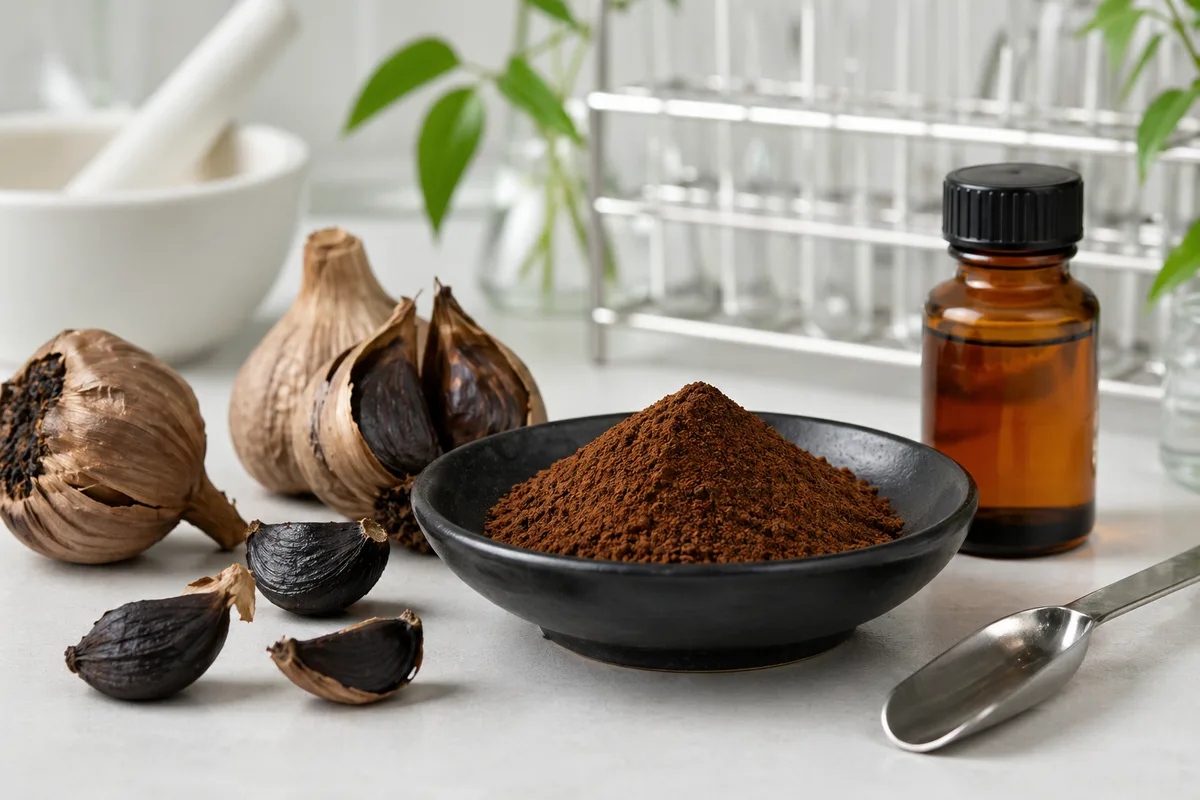
Black garlic extract powder and aged garlic material prepared for sourcing review
Buyer action

What to do next

Use this note to define the review stage, product grade, application, document need, and commercial assumptions before asking suppliers for price, COA/TDS, or samples. That keeps procurement, QA, and product development aligned around the same material path.

Application fit

Black garlic extract can fit premium capsules, powder blends, functional food concepts, and wellness positioning where aged garlic identity matters. If the application is strongly sensory-sensitive, buyers should discuss odor and color expectations before assuming a grade will fit.

A supplier can give a better recommendation when the buyer names the dosage form or finished product format. Capsules, tablets, gummies, stick packs, beverages, powders, foods, and personal-care applications can put different pressure on solubility, color, taste, carrier, microbiology, and document review.

When the application is still uncertain, the buyer should say so directly. A good supplier response can then separate what is already known from what needs sample work, formula review, or QA confirmation. This is especially useful for teams that are comparing several botanical ingredients for the same launch window.

Quality documents to request

Document requests should name whether QA is reviewing black garlic identity, SAC level, microbiology, heavy metals, or food-oriented handling information. TDS review is useful before sampling; COA review should align with the sample or lot path.

The cleanest request names whether the file is needed for screening, sample approval, internal QA comparison, first purchase planning, or ongoing supplier qualification. That context helps avoid sending a file that does not answer the buyer's actual question.

For early screening, ask whether a TDS and representative COA path can be discussed. For sample or first purchase review, ask how documents connect to the material path under evaluation. This distinction keeps procurement, QA, and product development from treating unrelated files as if they represent the same grade.
Copy-ready RFQ brief

Details to include in the first message

A concise RFQ brief helps suppliers answer with usable technical and commercial context instead of a generic price line. Buyers can adapt this structure before requesting COA/TDS, samples, or first purchase support.

  • Product: Black Garlic Extract
  • Target specification or grade: [fill in marker, ratio, extract type, or custom requirement]
  • Application: [capsule, tablet, powder blend, beverage, functional food, cosmetic, or other]
  • Review stage: [early screening, sample request, QA review, first purchase, or replenishment]
  • Documents requested: COA/TDS first; note any internal QA limits or additional files needed
  • Quantity and timing: [sample quantity, first order estimate, annual forecast if known, target date]
  • Destination and packing: [ship-to region, packing preference, warehouse or direct-shipment need]

Supplier response benchmark

A strong supplier reply should not only quote a price. It should confirm the grade being discussed, explain the available specification path, identify the next document or sample step, and ask for any missing details that affect commercial fit. If the reply does not connect specification, sample, documents, MOQ, and lead time, the buyer may need another clarification round before the offer is usable.

How to use this note

Use this page before sending the first message and again when comparing supplier replies. The goal is not to overcomplicate the RFQ. The goal is to give the supplier enough context to answer like a technical sourcing partner: which grade fits, which documents can be routed, what sample path makes sense, and what commercial assumptions should be confirmed before a purchase order.

Risk control

Sourcing risks to resolve before sample review

Most delays happen because the buyer and supplier are not discussing the same grade, document stage, or application. Resolve these points early so samples and quotes arrive with usable context.

Common risks

  • Using garlic extract pricing to judge black garlic extract without comparing identity and processing expectations.
  • Asking for SAC without clarifying whether the supplier can support the requested grade.
  • Ignoring sensory impact until after a sample has been routed internally.

Questions to ask supplier

  • Is the project specifically requesting aged black garlic identity?
  • Which SAC grades can be discussed for this application?
  • What odor, color, or taste expectations should product development review?
  • Can the supplier clarify sample path, COA/TDS availability, MOQ, and lead time together?

RFQ details to include

  • Product name and target specification.
  • Application and dosage form.
  • Sample quantity, first order volume, and annual estimate if known.
  • Destination, packing preference, and target timing.
  • COA/TDS or additional QA files needed for the review stage.

Request Black Garlic Extract details

Send the product, target grade, application, sample stage, quantity, destination, and document needs in one structured inquiry. That gives the sourcing team enough context to respond with the right commercial and QA path.

Referenced sources

Regulatory and research sources used for this guide

These external references are included to support the sourcing and compliance framework in this article. They do not replace legal, regulatory, or finished-product claim review, but they give procurement and QA teams a more reliable starting point than supplier sales language alone.

  1. NIH ODS Botanical Background - NIH ODS background supports the article's focus on botanical identity and standardization rather than treating related garlic ingredients as interchangeable.
  2. FDA label claims guidance - FDA claim categories help buyers keep aged garlic positioning separate from finished-product disease or health claims.
  3. FTC Health Products Compliance Guidance - FTC guidance reinforces the need for truthful, supportable claims when suppliers describe premium garlic ingredients.